General Description
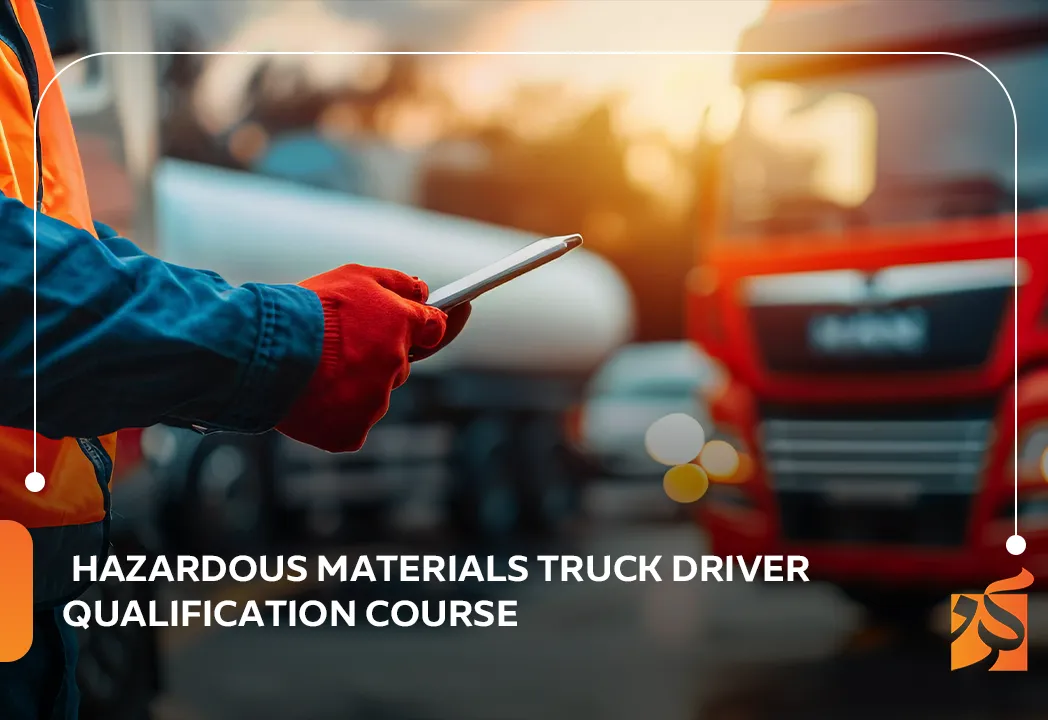
The Professional Qualification Course for Hazardous Materials Truck Drivers (TVTC) is a specialized training program designed to prepare drivers to handle the transportation of hazardous materials safely and professionally in accordance with relevant regulations and standards.
The course focuses on equipping learners with the knowledge and skills required to understand hazardous materials, classify them, and manage safe procedures during loading, transportation, and unloading, as well as emergency response procedures in case of accidents or leaks.
It also aims to enhance road safety and reduce environmental and health risks associated with hazardous materials transportation.
The Goals
- Understand hazardous materials and their types.
- Learn international classification of hazardous materials.
- Apply safe transportation procedures.
- Handle emergencies and accidents effectively.
- Reduce risks of leaks and explosions.
- Comply with transportation regulations.
- Promote safety culture among drivers.
- Protect lives, property, and the environment.
Target Auidence
- Heavy truck drivers.
- Hazardous materials transport workers.
- Logistics and transportation companies.
- Safety supervisors in transport sector.
- Supply chain professionals dealing with hazardous goods.
The Features
- Highly specialized professional training.
- International safety standards alignment.
- Practical real-world scenarios.
- Improved driver competency.
- Enhanced road and environmental safety.
- Reduced transportation accidents.
- No advanced academic background required.
Topics
Introduction to Hazardous Materials
- Definition of hazardous materials.
- Properties and risks.
Hazard Classification
- UN classification system.
- Warning labels and symbols.
Transportation Safety Procedures
- Vehicle preparation.
- Safe loading and unloading.
- Use of protective equipment.
Risk Management
- Risk assessment.
- Accident prevention strategies.
- Route planning.
Emergencies and Accidents
- Spill response.
- Evacuation procedures.
- First aid basics.
- Firefighting procedures.
Regulations and Compliance
- Local and international regulations.
- Driver and company responsibilities.
Learning outcomes
By the end of the course, participants will be able to:
- Identify hazardous material types.
- Apply safe transportation procedures.
- Respond effectively to emergencies.
- Use safety equipment properly.
- Reduce transport-related risks.
- Comply with regulations and guidelines.
- Protect environment and human lives.
Requirements And Conditions
- Valid heavy truck driving license.
- Basic driving knowledge.
- Commitment to safety rules.
- Sense of responsibility.
FAQs
The Blog
Transporting hazardous materials is one of the most sensitive and high-risk logistics operations in the transportation sector. It requires a high level of professionalism, precision, and strict adherence to safety procedures. These materials may be flammable, explosive, toxic, or environmentally harmful, making their handling a significant responsibility that leaves no room for error.
The Professional Qualification Course for Truck Drivers Transporting Hazardous Materials (TVTC) is designed to equip drivers with the knowledge and practical skills necessary to transport hazardous materials safely and in compliance with local and international standards. The course aims to minimize potential risks while protecting lives, property, and the environment.
What Are Hazardous Materials?
Hazardous materials are substances or products that may pose a risk to people, property, or the environment during handling, transportation, or storage. These materials include chemicals, gases, fuels, explosives, and other potentially dangerous substances.
The level of risk varies depending on the characteristics and nature of the material, making it essential to understand the proper methods for handling each type safely.
Importance of Safe Transportation of Hazardous Materials
Safe transportation of hazardous materials is critically important because it:
- Protects the lives of drivers and the public.
- Reduces environmental accidents and contamination.
- Prevents significant economic losses.
- Ensures continuity of supply chains.
- Maintains overall public safety.
Even a minor mistake during transportation can lead to severe consequences.
Classification of Hazardous Materials
Hazardous materials are classified internationally according to the United Nations system into several categories, including:
- Flammable materials.
- Compressed gases.
- Toxic substances.
- Explosive materials.
- Corrosive substances.
This classification helps determine the appropriate safety procedures for handling each type of material.
Responsibilities of a Hazardous Materials Driver
A hazardous materials driver carries significant responsibilities, including:
- Ensuring the vehicle is safe before loading.
- Verifying transportation documentation.
- Following designated transportation routes.
- Strictly adhering to safety instructions.
- Responding appropriately to emergency situations.
Safety Procedures During Transportation
Key safety procedures include:
- Inspecting the truck before the trip.
- Ensuring cargo is properly secured.
- Using personal protective equipment (PPE).
- Complying with speed limits.
- Avoiding stops in hazardous areas.
Risk Management in Hazardous Materials Transportation
Risk management is a fundamental aspect of hazardous materials transportation and includes:
- Identifying potential hazards before departure.
- Assessing the likelihood of incidents.
- Developing contingency and emergency plans.
- Selecting safe transportation routes.
Emergency Response and Accidents
In the event of an accident during transportation, the driver should:
- Secure the area immediately.
- Move away from the source of danger.
- Notify the relevant authorities.
- Use emergency equipment when necessary.
- Provide first aid if it is safe and possible to do so.
Personal Safety Equipment
Essential personal protective equipment includes:
- Protective gloves.
- Respiratory masks.
- Protective clothing.
- Safety helmets and protective footwear.
Using these safety tools significantly reduces the risk of injury and exposure.
Regulations and Legal Requirements
The transportation of hazardous materials is governed by strict regulations designed to ensure safety and compliance, including:
- Local transportation standards.
- International regulations.
- Company operating requirements.
- Specialized traffic and road safety regulations.
The Role of Training in Reducing Accidents
Specialized training helps to:
- Improve driver competence and professionalism.
- Reduce human errors.
- Increase awareness of potential hazards.
- Enhance emergency response capabilities.
Challenges in Hazardous Materials Transportation
Some of the key challenges include:
- The inherently dangerous nature of the materials being transported.
- Difficult weather conditions.
- The need for strict compliance with safety procedures.
- Time pressures associated with transportation operations.
Conclusion
The Professional Qualification Course for Truck Drivers Transporting Hazardous Materials (TVTC) is a crucial step toward ensuring the safe transportation of hazardous goods while protecting lives, property, and the environment. The course focuses not only on driving skills but also on developing comprehensive awareness of risks and the professional methods required to manage them.
Commitment to safety standards and continuous training remains the foundation for reducing accidents and achieving safe, efficient, and sustainable hazardous materials transportation, ultimately enhancing the overall performance of the transportation sector.