General Description
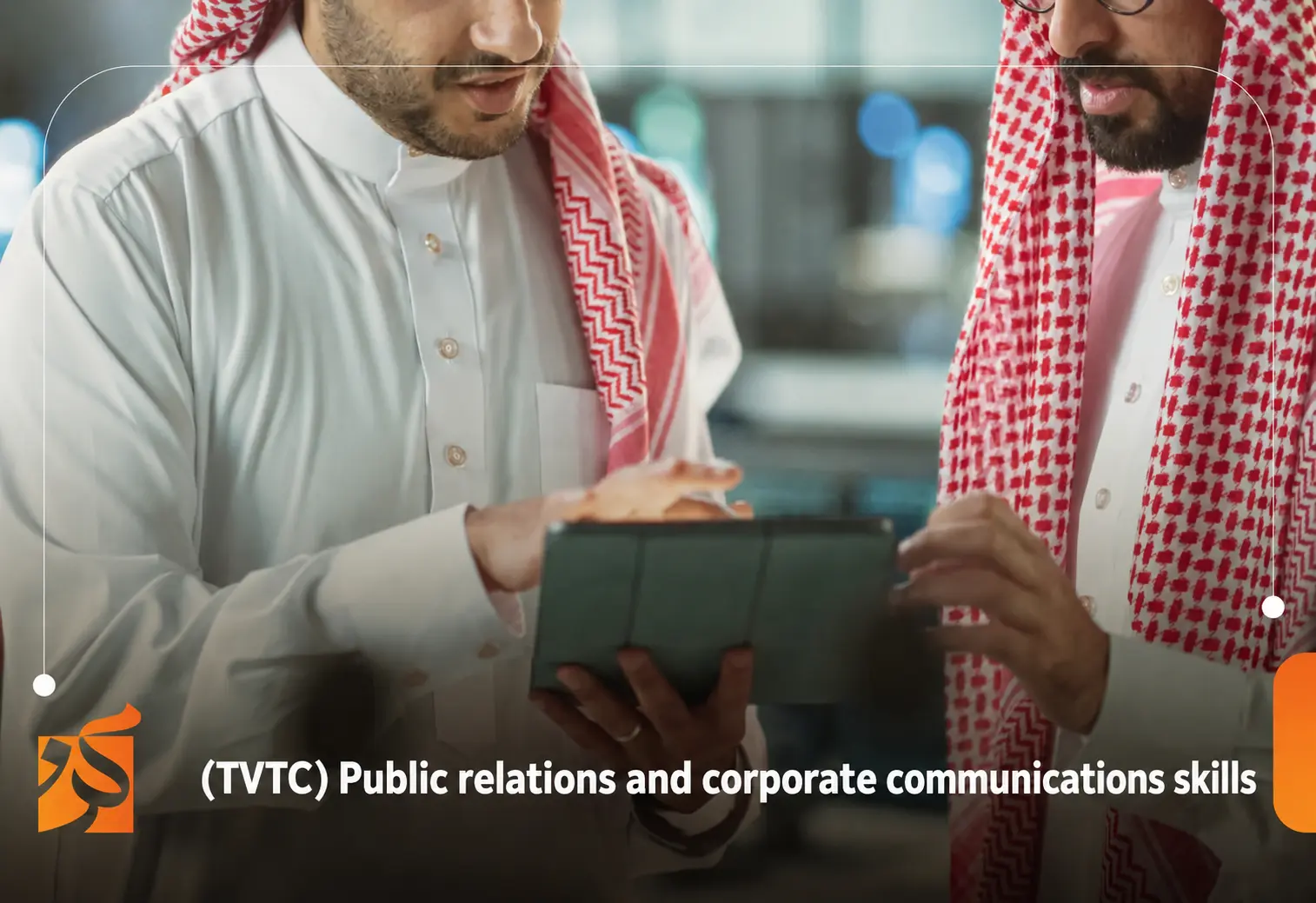
The Public Relations and Corporate Media Skills (TVTC) course is a specialized training program designed to develop participants' competencies in public relations, corporate communication, and media management. The course equips learners with the knowledge and practical skills required to build a positive organizational image, manage communication with internal and external stakeholders, create professional media content, and effectively represent organizations in today's dynamic communication environment.
The Goals
- Understand the fundamentals of public relations and corporate media.
- Explore the role of public relations in reputation management.
- Develop effective corporate communication skills.
- Learn how to engage with various media channels.
- Acquire professional media content creation skills.
- Enhance event and media campaign management capabilities.
- Understand the principles of media crisis management.
- Build strategies for strengthening organizational image and credibility.
Target Auidence
- Public relations officers and specialists.
- Corporate communication professionals.
- Marketing and branding personnel.
- Executive office administrators.
- Entrepreneurs and business owners.
- Government and private sector employees.
- Individuals seeking a career in public relations and media.
The Features
- Comprehensive blend of theory and practical application.
- Focus on modern public relations practices.
- Real-world case studies and professional scenarios.
- Professional media writing training.
- Reputation management and branding techniques.
- Practical media engagement strategies.
- Hands-on crisis communication exercises.
Topics
Introduction to Public Relations and Corporate Media
- PR concepts and principles.
- Functions and objectives of PR.
- Importance of corporate media.
Corporate Communication
- Effective communication skills.
- Internal and external communication.
- Stakeholder relationship management.
Media Writing
- Press release development.
- Media statement writing.
- Corporate content creation.
Media Relations
- Building media relationships.
- Handling interviews.
- Organizing media events and conferences.
Corporate Reputation Management
- Building organizational image.
- Strengthening credibility and trust.
- Managing corporate identity.
Crisis Communication Management
- Types of media crises.
- Crisis response planning.
- Managing messages during crises.
Learning outcomes
By the end of the course, participants will be able to:
- Apply public relations principles effectively.
- Produce professional media materials.
- Manage media relationships successfully.
- Strengthen organizational image and reputation.
- Contribute to crisis communication management.
- Develop effective corporate communication strategies.
- Represent organizations professionally before stakeholders.
Requirements And Conditions
- No prior specialized experience required.
- Interest in public relations and media.
- Basic communication skills.
- Willingness to learn and participate actively.
FAQs
Reviews (3)
-
جميلة جداً جزاكم الله خير الجزاء واوفاه
-
اشكر جميع القائمين على هذه الدورة الجميلة 🌹.

The Blog
In today's highly connected and fast-paced world, organizations are no longer judged solely by the quality of their products or services. Their reputation, public image, communication practices, and ability to engage effectively with stakeholders play an equally important role in determining their success. As businesses, government agencies, and non-profit organizations compete for attention, trust, and credibility, public relations and corporate media have emerged as essential strategic functions that contribute directly to organizational growth and sustainability.
Public relations is more than media coverage or promotional activities. It is a comprehensive communication discipline focused on building and maintaining mutually beneficial relationships between organizations and their audiences. Corporate media, on the other hand, serves as the voice of the organization, ensuring that key messages are communicated clearly, consistently, and professionally.
The Public Relations and Corporate Media Skills (TVTC) course is designed to equip participants with the knowledge, strategies, and practical skills needed to manage communication effectively in modern organizations. Through a combination of theoretical concepts and real-world applications, learners gain the ability to enhance organizational reputation, engage stakeholders, manage media relations, and respond effectively to communication challenges.
Understanding Public Relations in the Modern Business Environment
Public relations has evolved significantly over the past few decades. Traditionally viewed as a function focused primarily on media relations, modern public relations now encompasses reputation management, stakeholder engagement, crisis communication, corporate social responsibility, and strategic communication planning.
Organizations today operate in environments where information travels instantly. News, opinions, and customer experiences can spread globally within minutes. As a result, public relations professionals must be proactive in managing communication and ensuring that organizational messages align with strategic goals.
Effective public relations helps organizations build trust, strengthen relationships, improve visibility, and maintain a positive public image. It creates meaningful connections with employees, customers, investors, government entities, media organizations, and communities.
By understanding the principles of public relations, professionals can contribute significantly to organizational success and long-term sustainability.
The Growing Importance of Corporate Media
Corporate media refers to all communication channels and content used by an organization to communicate with internal and external audiences. This includes press releases, newsletters, websites, social media platforms, annual reports, videos, corporate publications, and digital campaigns.
As digital transformation continues to reshape communication practices, corporate media has become one of the most powerful tools for influencing public perception and supporting organizational objectives.
Effective corporate media strategies enable organizations to:
- Communicate consistent messages.
- Strengthen brand identity.
- Build trust and transparency.
- Engage stakeholders effectively.
- Support marketing and business objectives.
- Improve public awareness.
- Manage organizational reputation.
Organizations that invest in strong corporate media practices are better positioned to navigate challenges, maintain stakeholder confidence, and achieve sustainable growth.
Building and Managing Organizational Reputation
Reputation is one of the most valuable assets an organization can possess. Unlike physical assets, reputation is built over time through consistent actions, communication, and stakeholder experiences.
A positive reputation can help organizations attract customers, investors, employees, and strategic partners. Conversely, a damaged reputation can result in financial losses, reduced customer trust, and long-term challenges.
Public relations professionals play a critical role in reputation management by monitoring public perception, communicating organizational achievements, addressing concerns, and maintaining transparency.
Effective reputation management involves:
- Establishing clear organizational values.
- Communicating honestly and consistently.
- Responding quickly to stakeholder concerns.
- Highlighting achievements and success stories.
- Demonstrating social responsibility.
- Building strong relationships with key audiences.
Organizations with strong reputations enjoy greater credibility and are often more resilient during times of crisis or uncertainty.
The Role of Effective Communication in Organizational Success
Communication is at the heart of public relations and corporate media. Every interaction between an organization and its stakeholders influences perception and relationships.
Effective communication involves more than simply sharing information. It requires understanding audience needs, selecting appropriate communication channels, crafting clear messages, and encouraging engagement.
Strong communication practices contribute to:
- Better teamwork and collaboration.
- Improved employee engagement.
- Higher customer satisfaction.
- Enhanced stakeholder trust.
- Increased organizational transparency.
- Stronger corporate culture.
Professionals who master communication skills can help organizations achieve their strategic goals while fostering positive relationships with diverse audiences.
Professional Media Writing Skills
Media writing is a core competency for public relations and communication professionals. Whether creating press releases, corporate announcements, executive statements, or social media content, the ability to communicate clearly and persuasively is essential.
Professional media writing requires:
- Accuracy and credibility.
- Clear and concise language.
- Audience-focused messaging.
- Consistent organizational tone.
- Strategic communication objectives.
Participants in this course learn how to create effective media materials that capture attention, deliver key messages, and support organizational goals.
Strong media writing skills help organizations maintain professionalism and enhance their communication effectiveness across various platforms.
Developing Strong Media Relations
The media remains one of the most influential stakeholders in shaping public opinion. Journalists, broadcasters, news websites, and digital media platforms have the power to influence how organizations are perceived by the public.
Building positive relationships with media professionals enables organizations to communicate effectively and increase visibility.
Successful media relations involve:
- Understanding media needs and expectations.
- Providing accurate and timely information.
- Establishing credibility with journalists.
- Organizing press conferences and media briefings.
- Responding professionally to media inquiries.
- Maintaining long-term professional relationships.
Organizations that develop strong media relationships are often better equipped to manage public perception and communicate effectively during important events and crises.
Event Management and Public Engagement
Corporate events serve as powerful opportunities for organizations to connect directly with stakeholders, showcase achievements, launch products, and strengthen relationships.
Public relations professionals frequently play a leading role in planning and executing events such as:
- Conferences.
- Seminars.
- Product launches.
- Corporate celebrations.
- Community outreach programs.
- Media events.
Successful event management requires careful planning, coordination, communication, and evaluation.
By organizing engaging and well-executed events, organizations can enhance visibility, strengthen stakeholder relationships, and reinforce their brand identity.
Crisis Communication and Media Management
Every organization faces potential risks and communication challenges. Whether caused by operational issues, public controversies, cybersecurity incidents, or external events, crises can significantly impact organizational reputation.
Crisis communication is a specialized area of public relations focused on managing communication during difficult situations.
Effective crisis communication involves:
- Preparing crisis response plans.
- Identifying potential risks.
- Establishing communication protocols.
- Delivering timely and accurate information.
- Coordinating internal and external messaging.
- Maintaining transparency and accountability.
Organizations that respond quickly and professionally to crises are more likely to preserve stakeholder trust and recover successfully.
Public relations professionals play a vital role in guiding organizations through periods of uncertainty and protecting their reputation.
Public Relations in the Digital Age
Digital technologies have transformed the way organizations communicate with stakeholders. Social media platforms, websites, mobile applications, and online communities now play a central role in corporate communication strategies.
Digital public relations enables organizations to:
- Reach larger audiences.
- Engage stakeholders directly.
- Monitor public sentiment.
- Respond quickly to feedback.
- Build online communities.
- Measure communication effectiveness.
However, digital communication also presents challenges, including increased scrutiny, misinformation, and rapid information sharing.
Professionals working in public relations must understand how to leverage digital tools while maintaining ethical communication practices and protecting organizational reputation.
Career Opportunities in Public Relations and Corporate Media
The demand for skilled communication professionals continues to grow across industries. Organizations increasingly recognize the value of strategic communication and reputation management.
Career opportunities in this field include:
- Public Relations Specialist.
- Corporate Communications Officer.
- Media Relations Coordinator.
- Reputation Management Specialist.
- Communications Manager.
- Corporate Media Manager.
- Public Affairs Officer.
- Event Coordinator.
- Digital Communications Specialist.
- Public Relations Consultant.
These roles offer diverse career paths and opportunities for advancement in both public and private sector organizations.
As communication continues to evolve, professionals with expertise in public relations and corporate media will remain highly valuable in the global workforce.
Future Trends in Public Relations and Corporate Communication
The future of public relations will be shaped by technological innovation, changing stakeholder expectations, and evolving communication platforms.
Key trends include:
- Increased use of artificial intelligence in communication.
- Greater emphasis on transparency and authenticity.
- Data-driven communication strategies.
- Enhanced stakeholder engagement.
- Integrated digital communication campaigns.
- Real-time reputation monitoring.
- Personalized communication experiences.
Organizations that adapt to these trends will be better positioned to build trust, strengthen relationships, and maintain competitive advantages.
Professionals who continuously develop their skills and stay informed about industry developments will enjoy greater career success and organizational impact.
Conclusion
The Public Relations and Corporate Media Skills (TVTC) course provides participants with the knowledge, tools, and practical skills necessary to succeed in one of today's most influential professional fields. By mastering communication strategies, media relations, reputation management, event coordination, and crisis communication, learners become valuable contributors to organizational success.
In an era where reputation, trust, and effective communication are essential for growth and sustainability, public relations professionals serve as strategic partners who help organizations navigate challenges and build meaningful relationships with stakeholders.
Whether pursuing a career in communication, seeking professional development, or aiming to enhance organizational performance, this course offers a strong foundation for success. Investing in public relations and corporate media skills is ultimately an investment in leadership, influence, and long-term professional achievement.