General Description
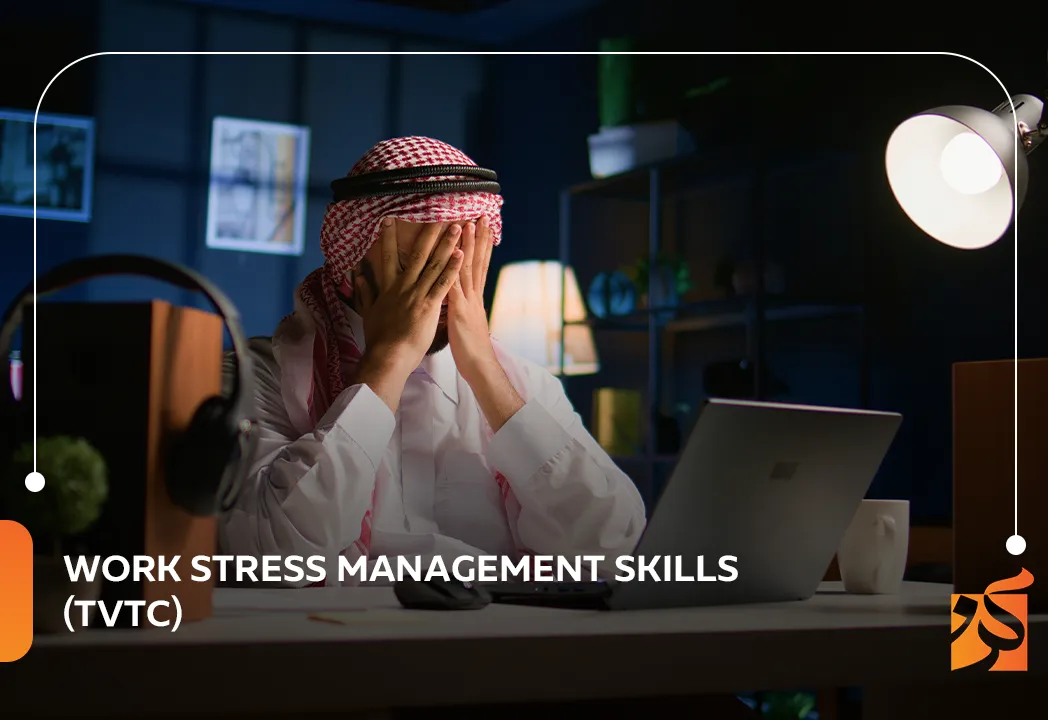
The Workplace Stress Management Skills (TVTC) course is designed to help participants understand the nature of workplace stress and how to manage it effectively in a healthy and productive way. The course explores the sources of job stress, its impact on performance and mental and physical health, and provides practical strategies for stress management.
It also helps learners develop resilience, improve decision-making under pressure, and maintain productivity while achieving better work-life balance.
The Goals
- Understand workplace stress and its causes.
- Identify sources of stress in work environments.
- Develop stress management skills.
- Improve decision-making under pressure.
- Enhance work-life balance.
- Increase productivity despite stress.
- Build psychological resilience.
- Reduce the negative effects of stress on health.
Target Auidence
- Employees across all sectors.
- Managers and team leaders.
- Workers in high-pressure environments.
- Customer service staff.
- Entrepreneurs.
- Anyone experiencing workplace stress.
The Features
- Practical and easy-to-apply content.
- Effective stress management strategies.
- Real workplace examples.
- Focus on mental health and productivity.
- No prior experience required.
- Improves work-life quality.
- Simple tools for daily stress handling.
Topics
Introduction to Workplace Stress
- Definition of workplace stress.
- Positive vs negative stress.
- Importance of stress management.
Sources of Stress
- Work overload.
- Work environment factors.
- Job relationships.
- Time pressure.
Effects of Stress
- Psychological effects.
- Physical effects.
- Impact on performance.
Stress Management Strategies
- Time management.
- Prioritization techniques.
- Relaxation techniques.
- Positive thinking.
Work-Life Balance
- Personal time management.
- Reducing burnout.
- Improving quality of life.
Learning outcomes
By the end of the course, participants will be able to:
- Understand causes of workplace stress.
- Recognize its impact on performance.
- Apply effective stress management techniques.
- Improve focus and productivity.
- Make better decisions under pressure.
- Achieve healthy work-life balance.
- Build psychological resilience.
Requirements And Conditions
- No prior experience required.
- Interest in self-development.
- Willingness to improve job performance.
- Readiness to apply practical skills.
FAQs
The Blog
Workplace stress has become one of the most significant challenges facing employees and organizations in today’s fast-paced and demanding professional world. Increasing workloads, tight deadlines, constant connectivity, and evolving job expectations all contribute to rising stress levels across industries.
The Workplace Stress Management Skills (TVTC) course is designed to help learners understand the nature of stress in professional environments and develop practical strategies to manage it effectively. The course focuses on building resilience, improving emotional control, and enhancing productivity while maintaining a healthy work-life balance.
Rather than eliminating stress completely—which is not always possible or even desirable—the goal is to help individuals manage it in a way that supports performance and well-being.
What is Workplace Stress?
Workplace stress refers to the physical, emotional, and psychological strain experienced when job demands exceed an individual’s ability to cope effectively. It can arise from workload pressure, interpersonal conflicts, unclear job roles, or organizational changes.
Stress in the workplace can be categorized into two types:
- Positive stress (Eustress): A motivating form of stress that improves focus and performance.
- Negative stress (Distress): A harmful form of stress that leads to anxiety, fatigue, and reduced productivity.
Understanding the difference between these two forms is essential for managing stress effectively.
Causes of Workplace Stress
Workplace stress can stem from multiple sources, including:
Heavy Workload
Excessive tasks and responsibilities that exceed available time and resources.
Time Pressure
Constant deadlines that create urgency and reduce flexibility.
Poor Work Environment
Noise, lack of resources, or disorganized workflows.
Workplace Relationships
Conflicts with colleagues, managers, or team members.
Role Ambiguity
Unclear job responsibilities or expectations.
Job Insecurity
Fear of losing employment or instability within the organization.
Effects of Workplace Stress
If not managed properly, stress can have serious consequences on both individuals and organizations.
Psychological Effects
- Anxiety and tension.
- Difficulty concentrating.
- Reduced motivation.
Physical Effects
- Headaches and fatigue.
- Sleep disturbances.
- Increased risk of health issues.
Professional Effects
- Lower productivity.
- Increased errors.
- Poor decision-making.
- Reduced job satisfaction.
Importance of Stress Management
Effective stress management is essential for maintaining both personal well-being and professional performance. Employees who can manage stress effectively are more focused, resilient, and productive.
Key benefits include:
- Improved mental and physical health.
- Better decision-making under pressure.
- Increased job satisfaction.
- Higher productivity and efficiency.
- Reduced burnout and absenteeism.
Stress Management Strategies
The course introduces practical strategies that individuals can apply in their daily work life.
Time Management
Prioritizing tasks and organizing workloads effectively to reduce pressure.
Planning and Organization
Setting clear goals and structured plans to avoid last-minute stress.
Relaxation Techniques
Practicing breathing exercises, mindfulness, or short breaks to reduce tension.
Positive Thinking
Reframing challenges as opportunities for growth and learning.
Seeking Support
Communicating with colleagues or supervisors when workload becomes overwhelming.
Work-Life Balance
Maintaining a healthy balance between professional and personal life is essential for reducing long-term stress. A balanced lifestyle allows individuals to recharge, stay motivated, and perform better at work.
Key practices include:
- Setting clear boundaries between work and personal time.
- Engaging in hobbies and leisure activities.
- Spending quality time with family and friends.
- Avoiding overwork and burnout.
Role of Organizations in Stress Management
Organizations play a crucial role in reducing workplace stress by creating supportive and healthy work environments.
Effective organizational practices include:
- Fair workload distribution.
- Clear communication of roles and expectations.
- Employee support programs.
- Positive workplace culture.
- Training and development opportunities.
Psychological Resilience
Resilience is the ability to adapt to challenges and recover from stressful situations. It is a key skill in managing workplace stress effectively.
Resilient individuals tend to:
- Stay calm under pressure.
- Adapt to change more easily.
- Solve problems effectively.
- Maintain emotional stability.
Challenges in Managing Workplace Stress
Despite the availability of strategies, several challenges remain:
- Increasing job demands.
- Rapid organizational changes.
- Lack of awareness about stress management techniques.
- Difficulty separating work and personal life in digital environments.
Future of Workplace Well-being
As workplaces continue to evolve, employee well-being is becoming a strategic priority. Organizations are increasingly investing in mental health programs, flexible working arrangements, and digital wellness tools.
Future trends include:
- AI-driven employee well-being monitoring.
- Remote work flexibility.
- Mental health support systems.
- Smarter workload management tools.
Conclusion
The Workplace Stress Management Skills (TVTC) course provides essential knowledge and practical tools to help individuals navigate the pressures of modern work life. By understanding stress, identifying its causes, and applying effective management strategies, participants can significantly improve their performance and well-being.
In today’s demanding professional environment, the ability to manage stress is not just a personal advantage—it is a critical skill for long-term success, productivity, and career sustainability.
Ultimately, mastering stress management leads to healthier individuals, stronger organizations, and more balanced working lives.